
Cogeneration Systems Belfast & Northern Ireland
BSH Limited designs cogeneration — combined heat and power — within combination fuelled systems, recovering waste heat for heating or, through absorption chilling, cooling as trigeneration.
Cogeneration Systems Belfast reflects BSH Limited's combined heat and power capability within integrated energy systems. BSH designs combination fuelled systems that include heating, cooling, combined heat and power, domestic and control systems as required, so a cogeneration unit is specified as part of the wider combination rather than as a standalone generator.
Cogeneration — combined heat and power, or CHP — produces electricity and useful heat from a single fuel input, with the engine or turbine's waste heat recovered for heating or domestic hot water rather than rejected. Where that recovered heat drives an absorption chiller to produce cooling, the arrangement becomes trigeneration, producing electricity, heat and cooling from one fuel input.
BSH holds the accolade for the largest trigeneration plant room in Europe in 2012, designed and built for Tesco in Naas, Co. Kildare, Ireland, and lists fuel cell, co- and trigeneration systems among its consultancy specialisms, so cogeneration is considered within the full range of the company's integrated energy work.
Electricity and heat from one fuel input
A cogeneration unit generates electricity on site and recovers the waste heat from the prime mover for heating or domestic hot water, so a single fuel input meets two loads. Because BSH designs combination fuelled systems that include heating, cooling, CHP, domestic and control systems, the unit is sized and specified against the building's simultaneous electricity and heat loads rather than in isolation.
From cogeneration to trigeneration
Where the recovered heat drives a Yazaki absorption chiller to produce cooling, cogeneration becomes trigeneration — electricity, heat and cooling from one fuel input. Absorption chillers primarily utilise heat as their main power source, unlike most air conditioning equipment which use electric. BSH designed and built the largest trigeneration plant room in Europe in 2012, for Tesco in Naas.
Within combination fuelled systems and plantrooms
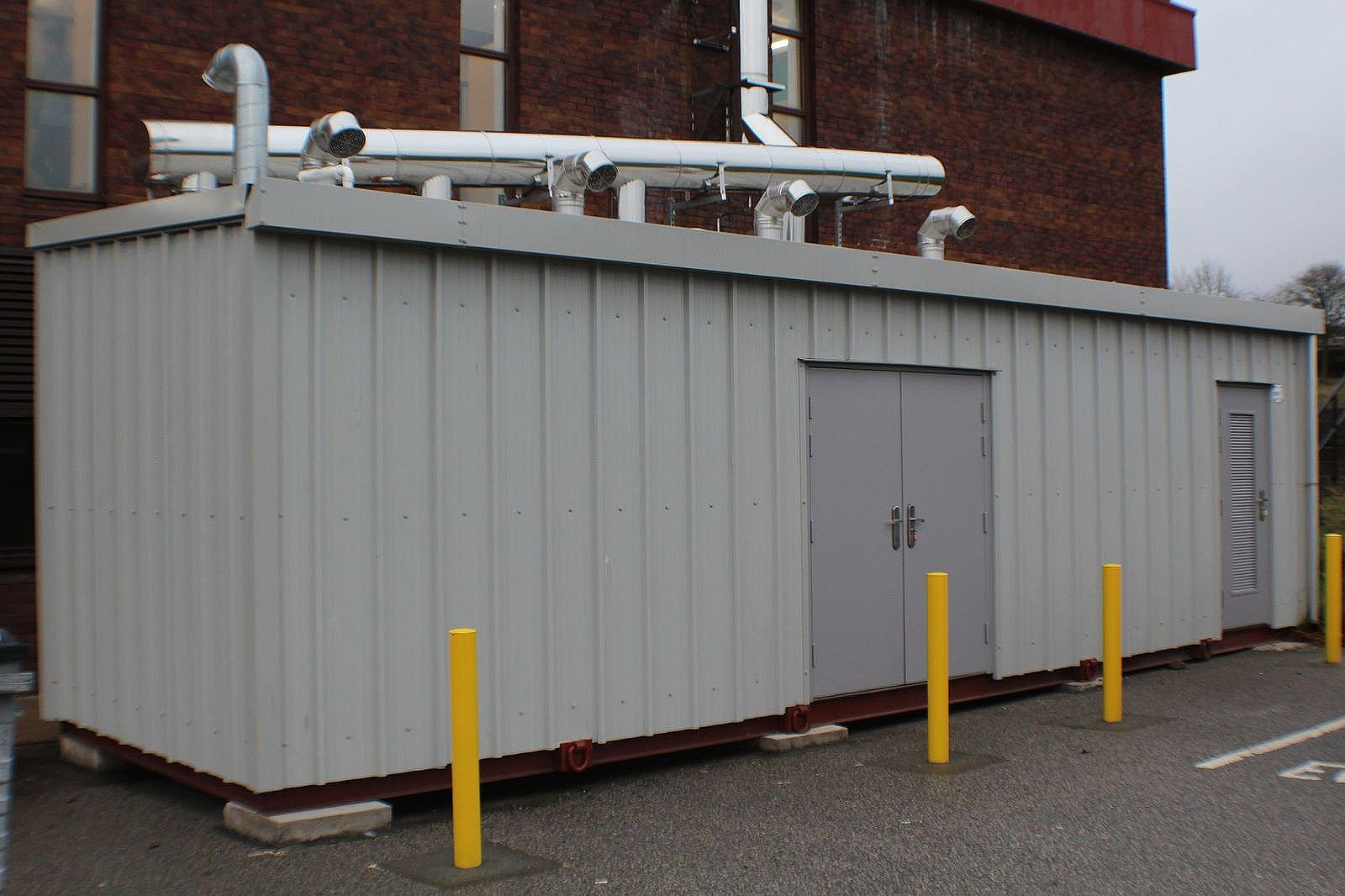
A cogeneration unit is specified as part of a combination fuelled system, with the recovered heat feeding heating, domestic hot water or absorption cooling, and the controls sequencing the CHP against real loads. Where the plant is delivered through a pre-packaged plantroom, the cogeneration unit and its heat-recovery connections are assembled and inspected off site before delivery.
Commercial applications
Where this service applies
- Buildings with simultaneous electricity and heat demand
- Sites targeting trigeneration — electricity, heat and cooling
- Developments using recovered heat to drive absorption chilling
- Combination fuelled systems delivered through a plantroom
Benefits & considerations
What to consider
- Electricity and useful heat from a single fuel input
- Recovered heat can drive absorption chilling for trigeneration
- Specified within the combination fuelled system, not in isolation
- Over 50 years of engineering expertise across three generations
Problem · Reaction · Solution
How BSH can help
Problem
A cogeneration unit sized only against electricity demand, without matching the recovered heat to a genuine heating or cooling load, dumps the heat it produces and delivers little of the efficiency cogeneration should provide. Conversely, a unit sized without the electricity profile runs inefficiently or exports against an unhelpful tariff. Where the CHP is procured separately from the heating, cooling and controls, the integration that makes cogeneration worthwhile is lost.
Reaction
Poorly integrated cogeneration forfeits the recovered heat, raises running cost and can increase carbon emissions rather than reduce them. Building owners and consultants need an engineering partner who sizes the CHP against the building's simultaneous electricity and heat loads and integrates the recovered heat with the heating, cooling and controls — including the trigeneration route through absorption chilling.
Solution
BSH designs cogeneration — combined heat and power — within combination fuelled systems, recovering waste heat for heating or, through Yazaki absorption chilling, cooling as trigeneration. Because the right cogeneration arrangement depends on your loads and fuel, the next step is to discuss your requirements with BSH's engineers. Contact BSH to discuss your cogeneration project.
Questions & answers
Common commercial questions
Discuss your cogeneration project
Talk to BSH about combined heat and power within a combination fuelled system, including the trigeneration route through absorption chilling.
Contact us